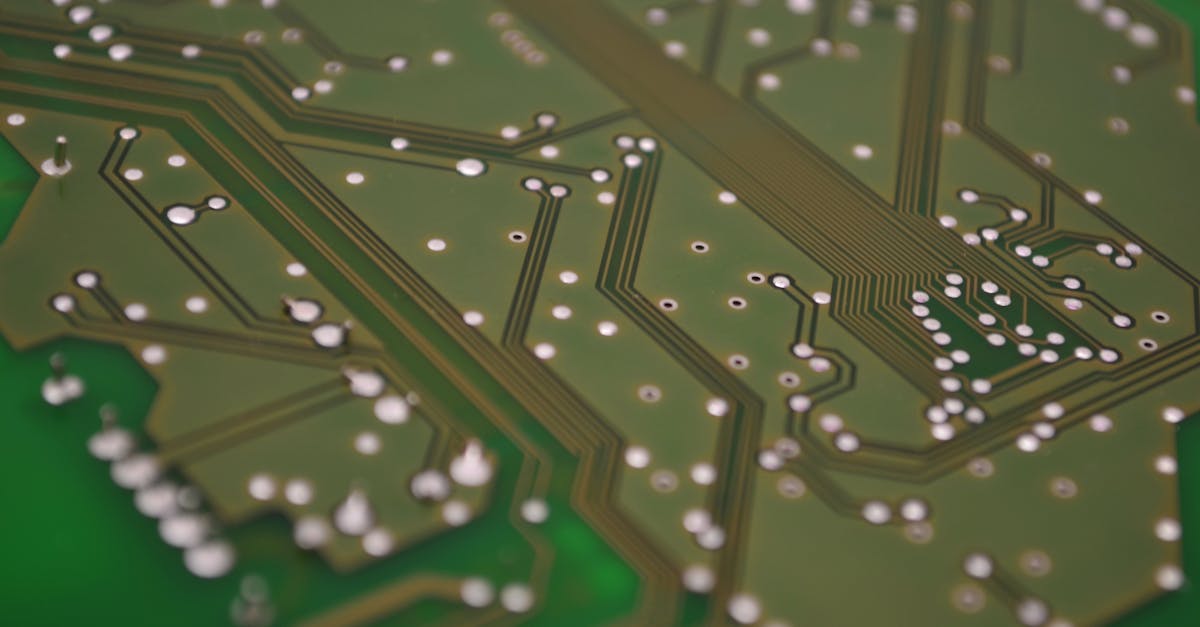
It's a genuine concern, and you're not alone. Our insatiable appetite for new tech has a heck of a lot of consequences, from the mining of precious metals to the mountains of electronic waste (e-waste) piling up in landfills. It can feel a bit overwhelming, like we're stuck between wanting the latest cool thing and wanting to do right by our planet. But what if I told you that you don't have to choose? What if you could embrace cutting-edge technology and be a champion for sustainability at the same time?
That's exactly what we're going to explore today! This isn't about giving up your favorite devices or going back to carrier pigeons. It's about making smarter, more mindful choices when it comes to your eco-friendly tech. We're diving into the world of sustainable gadgets that don't just perform brilliantly but also help protect our beautiful Earth. Ready to make your tech habits a force for good? Let's get into it!
Built to Last: The Power of Longevity & Repairability
Okay, first things first: let's talk about how long your gadgets actually stick around. You know that feeling when your phone starts slowing down just as the new model drops? Or when a tiny crack means you have to replace the whole thing? That's often a symptom of what's called "planned obsolescence," where products are designed with a limited lifespan, pushing us to upgrade constantly. And honestly, it's a huge problem for our planet.
Think about it: every time we toss a device, it contributes to the ever-growing mountain of e-waste. This waste is full of toxic materials that can leach into the soil and water, and it also means we're constantly extracting new, finite resources from the Earth. It's a cycle we desperately need to break. That's why prioritizing repairable tech and products built for longevity is such a game-changer.
So, what should you look for? Start by checking if a company actually wants you to repair their stuff. Are spare parts readily available? Do they provide repair guides? A fantastic example of this philosophy in action is Fairphone. These guys design modular smartphones, which means if your camera breaks or your battery wears out, you can simply order the specific component and swap it out yourself. How cool is that? It's like LEGO for grown-ups, but way more impactful. This approach drastically extends the life of the phone, saving resources and reducing waste.
Beyond Fairphone, you can also look for brands that offer extended warranties, commit to providing software updates for longer periods, or even have high repairability scores from independent organizations like iFixit. When you choose a device that's designed to be fixed rather than replaced, you're not just being kind to the planet; you're also saving yourself money and hassle in the long run. It's a win-win, don't you think?
Giving Materials a Second Life: Recycled & Sustainable Components
Next up, let's chat about what our gadgets are actually made of. Traditionally, creating new electronics means digging up fresh raw materials – metals, plastics, rare earth elements – which can be an incredibly resource-intensive and often environmentally damaging process. But what if we could use materials that have already served a purpose? That's where recycled and sustainable materials come into play, and it's a really exciting area for green electronics.
More and more brands are waking up to the fact that they can make a huge difference by incorporating reclaimed plastics, ethically sourced metals, and other eco-conscious components into their products. It's about closing the loop, giving materials a second life, and reducing the demand for virgin resources. This not only lessens the environmental impact of mining and manufacturing but also helps tackle the problem of waste.
Take HP, for instance. They've been doing some incredible work using ocean-bound plastics in their laptops and monitors. Imagine plastic bottles and other waste that would otherwise end up polluting our oceans being transformed into parts of your sleek new computer! It's a powerful story and a tangible way to see e-waste reduction in action. Similarly, Apple has made significant strides in using recycled rare earth elements, tin, and aluminum in many of their devices. These aren't just small gestures; they're major commitments that show how big companies can lead the way.
But it's not just the big players. You'll find smaller brands experimenting with innovative materials like bamboo, cork, and bio-plastics derived from plants. When you're shopping, take a moment to check the product specifications. Look for mentions of recycled content percentages, certifications for ethically sourced minerals, or even packaging made from recycled paper. Every little bit adds up, and by choosing products with these materials, you're directly supporting a more circular and sustainable economy.
Powering Down Smartly: Energy Efficiency & Certifications
Alright, so we've talked about how our gadgets are made and how long they last. Now, let's think about the energy they consume while they're actually in use. From charging our phones overnight to powering our smart TVs, our devices are constantly drawing electricity. And that electricity, depending on where you live, often comes from power plants that burn fossil fuels, contributing to carbon emissions and climate change. So, making smart choices about energy-efficient devices is super important.
Luckily, it's easier than ever to spot products that are designed to sip power rather than guzzle it. The key here is to look for recognized eco-labels and certifications. The most common and reliable one you'll probably encounter is ENERGY STAR. If you see that little blue label on an appliance or gadget, it means it meets strict energy efficiency guidelines set by the U.S. Environmental Protection Agency. These products use less energy, which is not only better for the planet but also better for your electricity bill – another fantastic win-win!
But it's not just about the big appliances. Even small gadgets can make a difference. Look for features like low power standby modes, which mean your device isn't drawing much energy when it's not actively being used. Some devices even come with smart power management features that optimize energy consumption based on your usage patterns. And don't forget the chargers! An efficient charger will convert power more effectively, wasting less energy as heat.
Beyond looking for certifications, you can also adopt some simple habits. Unplugging chargers when they're not in use (they can still draw a tiny bit of power, known as "vampire drain"), using smart plugs to automatically cut power to devices, and optimizing your device settings (like screen brightness) can all contribute to a lower energy footprint. It's about being mindful of how and when your tech is drawing power, and making those small adjustments can collectively have a big impact.
Your Choices Matter: Embrace a Smarter, Greener Future!
So, there you have it! Who knew being a tech enthusiast could also mean being an environmental hero? It's clear that our tech choices can make a significant difference, not just for our own lives but for the health of our planet. By prioritizing longevity and repairability, seeking out recycled and sustainable materials, and opting for energy-efficient devices, you're actively contributing to a more sustainable future.
This isn't about perfection; it's about progress. Every time you choose a sustainable gadget, you're sending a message to manufacturers that you care about their environmental impact. You're helping to drive innovation towards greener solutions and showing that performance and planet-friendliness can absolutely go hand-in-hand. So, go ahead, embrace those smart, green innovations, and feel good about the tech you love.
What's your favorite eco-friendly gadget that you've discovered or want to try? I'd love to hear about it in the comments below!