The Convenience Factor: Making Life Easier (and Smarter!)
Okay, so before we get into the nitty-gritty of privacy, let's acknowledge why we even bother with smart homes in the first place. The convenience factor is huge, and honestly, it’s pretty compelling. These smart devices are designed to simplify our daily tasks, making life feel a little smoother, a little more effortless. Think about it: you’re snuggled in bed, already drifting off, and suddenly remember you left the kitchen light on. Instead of dragging yourself out from under the covers, you just tell your voice assistant to turn it off. Boom! Problem solved. Or maybe you’re rushing out the door, keys in hand, and can’t remember if you locked the front door. A quick tap on your phone, and your smart lock clicks securely into place. It’s genuinely liberating.
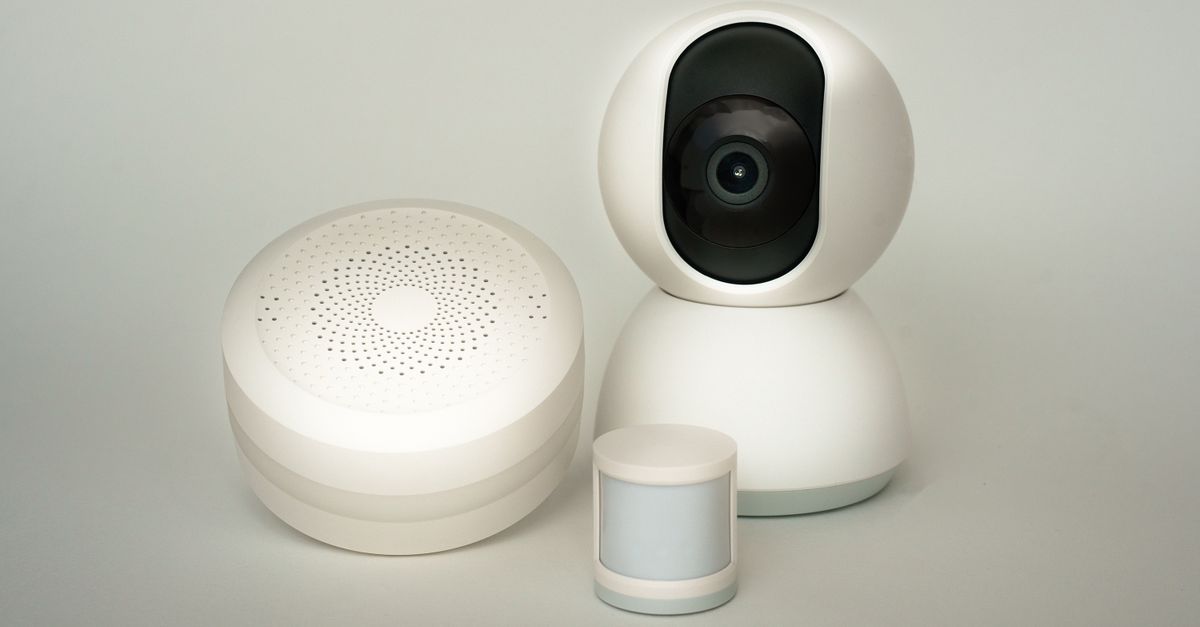
And it’s not just about those little moments. Smart thermostats learn your habits, adjusting temperatures to save energy and keep you comfy without you lifting a finger. Smart security cameras let you keep an eye on your home, pets, or kids from anywhere in the world, giving you that extra layer of reassurance. Imagine being on vacation and seeing a package arrive, or remotely unlocking your garage for a delivery, then locking it right back up. That kind of remote access and control really changes the game.
For folks with busy schedules, or even those with mobility challenges, smart home automation can be a total game-changer. Setting up routines where lights dim at sunset, music plays when you arrive home, or the coffee machine starts brewing at 7 AM sharp – these aren’t just futuristic dreams anymore; they’re everyday realities. It’s about making your home work for you, adapting to your lifestyle, and giving you back precious minutes in your day. This level of comfort and control was unimaginable just decades ago. So, yeah, the appeal is absolutely undeniable. But, as with most good things, there’s another side to the coin we really need to explore.
The Privacy Pitfalls: What Are You Really Giving Up?
Alright, now for the part where we get a little serious. While all that convenience is fantastic, it often comes with a trade-off, and that trade-off is your privacy. Here’s the deal: for these smart devices to work their magic, they need to collect a heck of a lot of personal data. And I mean a lot. Think about it: your smart thermostat knows when you’re home, when you’re away, what temperatures you prefer, and even how long you shower if it’s connected to a smart water heater. Your smart TV tracks what you watch, how long you watch it, and maybe even what apps you use. Your smart speaker? Well, that’s a whole other can of worms.
Voice assistants, like Alexa or Google Assistant, are always listening for their wake word. That’s how they can respond instantly, right? But what happens to the snippets of conversation they might pick up before the wake word, or even after? Companies often collect and analyze these recordings to "improve" their services, which sounds innocent enough on the surface. But it means your private conversations, your family discussions, even your silly singing in the shower, could potentially be recorded, stored, and analyzed. It’s a bit unsettling when you really think about it, isn't it? It feels like having a tiny, digital eavesdropper in your living room.
Beyond just data collection, there’s the very real risk of vulnerabilities. Every connected device in your home is essentially a potential entry point for someone with malicious intent. Imagine a smart lock that can be hacked, giving an unauthorized person access to your home. Or a smart camera that’s compromised, allowing strangers to peek into your private life. We’ve seen stories in the news about smart baby monitors being hacked, letting strangers talk to children. That’s not just a privacy breach; it’s a serious security nightmare.
And let’s not forget about the data itself. Where does it go? Who has access to it? How is it protected? Many companies share or sell anonymized (or sometimes not-so-anonymized) data to third parties for advertising or research. This means your habits, preferences, and even your daily routines could be part of a massive data pool that’s being traded around. It’s a complex web, and frankly, it can feel overwhelming to keep track of. The bottom line is, while these devices make our lives easier, they also open up new avenues for our personal information to be exposed or misused. It’s a balancing act, and understanding these risks is the first step to protecting yourself.
Practical Steps for a Safer Smart Home: Keeping Your Digital Life Secure
Okay, so we’ve talked about the cool stuff and the not-so-cool stuff. Now, let’s get to the good part: what can you actually do about it? The great news is you don’t have to ditch all your smart gadgets and go back to a flip phone and manual light switches. There are plenty of practical steps you can take to mitigate these risks without sacrificing all the convenience you’ve come to love. It’s all about being smart about your smart home, if you catch my drift.
First things first: passwords, passwords, passwords! I know, I sound like a broken record, but it’s the foundation of your digital security. Don't use "123456" or "password." Please! Use strong, unique passwords for every single smart device and its associated app. Think long, complex phrases with a mix of upper and lower case letters, numbers, and symbols. And here’s a pro tip: use a password manager. It’ll generate and store them securely for you, so you don’t have to remember a million different combinations.
Next up, two-factor authentication (2FA). If a device or app offers it, turn it on! This adds an extra layer of security, usually by sending a code to your phone after you enter your password. Even if someone gets your password, they still can't get in without that second code. It’s like having a second lock on your front door.
Now, this one might sound a bit tedious, but it’s super important: research device privacy policies. Before you buy a new smart gadget, take a few minutes to look up its privacy policy. I know, they can be dense and full of legal jargon. But try to skim for key phrases about what data they collect, how they use it, and if they share it with third parties. Some companies are much more transparent and privacy-focused than others. Choosing devices from reputable brands that prioritize user privacy can make a huge difference.
Also, be mindful of permissions. When you set up a new smart home app, it’ll often ask for access to your location, microphone, camera, or contacts. Think critically: does this smart light bulb really need access to your microphone? Probably not. Grant only the permissions that are absolutely necessary for the device to function. You can often adjust these in the app settings later if you change your mind.
And don't forget about regular updates. Just like your phone or computer, smart devices often receive firmware updates. These updates frequently include security patches that fix vulnerabilities. Make sure your devices are set to update automatically, or at least check for updates regularly. It’s a simple step that closes potential security holes.
Finally, consider network segmentation. If you’re a bit more tech-savvy, you might want to set up a separate Wi-Fi network (often called a "guest network" or "IoT network") specifically for your smart devices. This way, if one of your smart gadgets gets compromised, it’s isolated from your main network where your computers and sensitive files are stored. It’s like putting all your smart home eggs in a separate, less critical basket.
Taking these steps might seem like a bit of effort upfront, but trust me, the peace of mind you get from knowing your digital life is more secure is absolutely worth it. It’s about being proactive, not reactive, when it comes to your smart home security.
Conclusion: Be Smart About Your Smart Home
So, there you have it. Smart homes are undeniably cool, offering a level of convenience and control that can truly enhance our daily lives. But like any powerful technology, they come with responsibilities. It’s about enjoying the amazing benefits of smart tech, but being equally smart and proactive about your security and digital privacy. Don't let the allure of automation blind you to the potential risks. Be curious, be cautious, and empower yourself with knowledge. Your peace of mind is worth it.
Now, I'm genuinely curious: what's your biggest smart home privacy concern? Is it voice assistants listening in, or the fear of a hacked camera? Let us know in the comments below! Let's keep this conversation going and help each other build smarter, safer homes.